
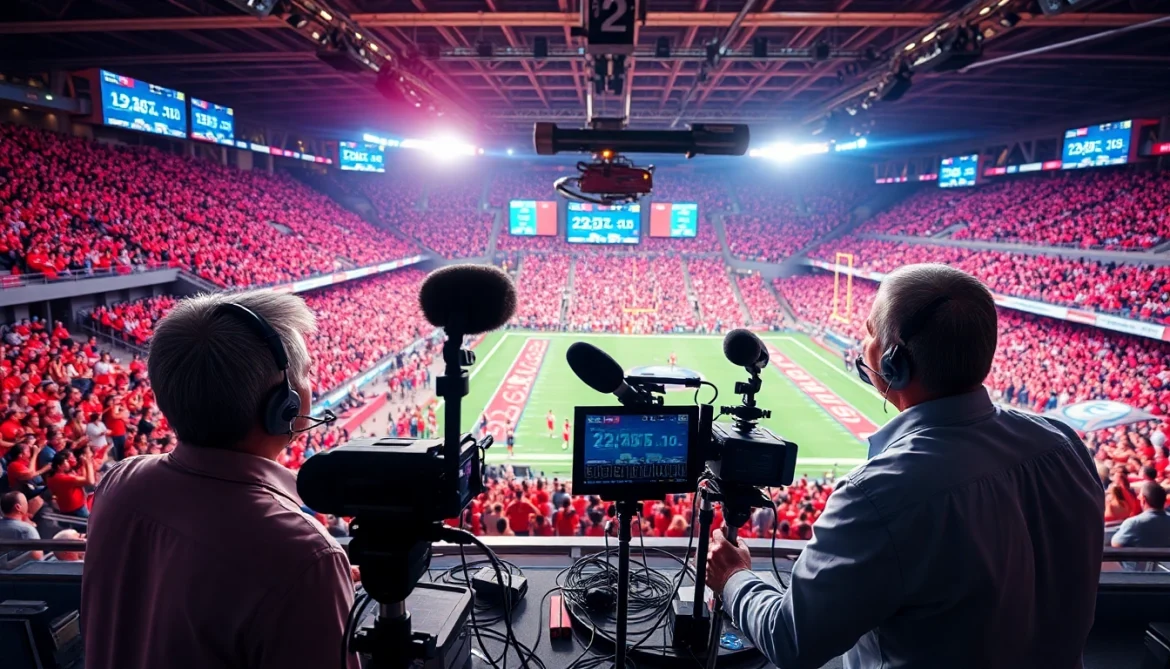
Understanding the Landscape of Sports Broadcasting
Sports broadcasting has evolved significantly over the decades, becoming a critical aspect of the sports industry. The growth and transformation of Sports Broadcasting reflect technological advancements, shifting viewer preferences, and emerging platforms. This article explores the intricate landscape of sports broadcasting, audience engagement strategies, current challenges, future trends, and how success is measured in this dynamic field.
Evolution of Sports Broadcasting
The journey of sports broadcasting commenced with radio broadcasts in the early 20th century, establishing a connection between sports fans and live events. The advent of television in the 1950s revolutionized this medium, allowing viewers to watch games live from the comfort of their homes. Over the years, with the introduction of satellite television, cable networks, and eventually streaming services, sports broadcasting has transformed into a multifaceted industry that caters to an increasingly global audience.
In recent years, innovations such as 4K resolution broadcasts, high-definition, and enhanced sound design have elevated the viewing experience. These technological advancements have stimulated viewer engagement and allowed broadcasters to adapt to the paradigms of digital consumption. With mobile technology and the widespread use of social media, the evolution continues, as fans now expect to engage with content across diverse platforms.
Key Players in the Market
The sports broadcasting landscape is characterized by numerous key players, including traditional television networks, cable channels, and digital streaming platforms. Traditional networks like ESPN and NBC Sports have been mainstays, offering robust coverage of live sports events, while emerging platforms such as Amazon Prime Video and DAZN are reshaping the competitive landscape with on-demand content and targeted offerings. Additionally, social media platforms like YouTube and Facebook have become vital players by providing game highlights, live interactions, and exclusive content tailored to younger demographics.
These players contribute to the overall health of the sports broadcasting ecosystem, each targeting distinct audience segments through unique strategies and content offerings. As they navigate partnerships and licensing agreements with sports leagues, the drive for viewership and ad revenues remains at the forefront of their operations.
Impact of Technology on Sports Broadcasting
Technology plays an instrumental role in shaping the sports broadcasting landscape. The rise of streaming technology has led to a seismic shift in how sports are consumed, with viewers favoring on-demand options over traditional scheduled programming. Over-the-top (OTT) platforms provide increased flexibility, allowing fans to watch their favorite sports whenever and wherever they choose. This has encouraged broadcasters to design user-friendly applications that provide seamless viewing experiences on various devices.
Moreover, advancements in data analytics have changed how broadcasters present content. Real-time statistics, player performance metrics, and predictive analytics are now integrated into broadcasts, providing fans with richer insights. For instance, VR and AR technologies create immersive experiences that allow fans to experience the game from different angles, enhancing their connection to the action.
Audience Engagement Strategies in Sports Broadcasting
Engagement is imperative in the competitive realm of sports broadcasting. With an ever-expanding array of options and platforms available, broadcasters must harness innovative strategies to captivate audiences. Understanding what resonates with viewers leads to more impactful content creation and enhanced viewer loyalty.
Utilizing Social Media for Real-Time Interaction
Social media platforms have evolved into essential tools for fostering interaction between sports broadcasters and audiences. Platforms like Twitter, Instagram, and TikTok allow for immediate feedback and engagement during live events. Broadcasters utilize these channels for real-time updates, behind-the-scenes content, and fan-generated discussions, creating a community around live sports.
For instance, live tweeting during games enables broadcasters to interact with fans, address their comments, and share insights. This strategy not only keeps audiences engaged but also drives traffic to broadcast channels by encouraging viewers to tune in for live discussions.
Innovative Content Creation Techniques
Innovation in content creation is vital for capturing audience interest. Broadcasters are experimenting with diverse formats, including podcasts, interactive storytelling, and multi-angle video options. Integrating compelling narratives and personal stories about athletes connects audiences with the underlying emotional aspects of sports.
Incorporating viewer-generated content and highlighting fan experiences can elevate broadcasts beyond the mere act of viewing a game. Techniques such as including fan polls, live chats with commentators, and instant replays contribute to creating a more interactive and immersive experience.
Enhancing Viewer Experience through Augmented Reality
Augmented reality (AR) technologies are reshaping the viewer experience in sports broadcasting. AR enables broadcasters to overlay digital graphics on the real-world view, providing contexts, statistics, and player information right on the screen. This enhancement allows viewers to visualize plays in a more tangible way, improving comprehension and enjoyment.
For example, AR features can illustrate player movements or game strategies during replays, enriching the learning experience for viewers. As these technologies continue to innovate, the potential for further enhancements to visual broadcasting will only grow, appealing to tech-savvy fans.
Challenges Facing Sports Broadcasting Today
Despite the advancements in sports broadcasting, several challenges persist that require strategic navigation to maintain viewership and profitability. Balancing technology with viewer experience, addressing licensing issues, and combating viewer fatigue forms a triad of significant obstacles.
Navigating Licensing and Rights Issues
The landscape of sports broadcasting is heavily influenced by licensing and rights agreements, which can be complex and costly. Networks and streaming services must navigate competitive bidding wars for the rights to broadcast various sports leagues, resulting in heightened costs that may be passed onto consumers through subscriptions or advertisements.
Additionally, these rights frequently change hands, necessitating adaptability from broadcasters to adjust their strategies rapidly. Effective negotiation and management of these agreements are vital, ensuring broadcasters can secure quality content while maintaining profitability.
Addressing Viewer Fatigue
In today’s fast-paced media environment, viewers often experience “content fatigue” due to the overwhelming amount of available sports content. Competing networks and streaming services can lead to a saturation of possibilities that may dilute the excitement around significant sports events.
To combat this fatigue, broadcasters must focus on curating compelling content that enhances viewer interest. This may include highlighting key storylines, exclusive content, or insightful analyses during broadcasts to keep viewers engaged without overwhelming them.
Balancing Traditional and Digital Platforms
As digital streaming continues to rise, sports broadcasters face the challenge of balancing content across traditional and new platforms. Maintaining a presence on cable networks while expanding into digital domains requires careful orchestration to ensure both reach and engagement levels are maximized.
Broadcasters must analyze viewer preferences to allocate resources effectively. By developing content specific to medium—such as bite-sized highlights for social media versus long-form analyses on traditional platforms—broadcasters can enhance their overall effectiveness in reaching diverse audiences.
Future Trends in Sports Broadcasting
The future of sports broadcasting promises exciting transformations as technology evolves and viewer preferences shift. Understanding and anticipating these trends will be crucial for broadcasters looking to stay ahead in a competitive landscape.
Rise of E-Sports Broadcasting
E-sports has rapidly gained popularity, drawing in younger audiences and opening new avenues for sports broadcasting. With massive viewership and community engagement, many traditional broadcasters are beginning to explore e-sports integration into their programming.
This trend promises to reshape sports broadcasting, appealing to a demographic that seeks interaction and connection within the gaming realm. E-sports events attract viewership comparable to traditional sports, creating a convergence of entertainment experiences for fans.
Personalization Through Data Analytics
The use of data analytics is set to enhance how sports broadcasting caters to audience preferences. By analyzing viewer data, broadcasters can tailor content to individual interests, leading to a more personalized viewing experience. From curated highlight reels to targeted advertising, personalized content promotes deeper engagement and viewer satisfaction.
As viewers increasingly seek experiences that resonate with their preferences, the ability to deliver tailored content will be crucial for retaining audience loyalty.
Sustainability in Sports Broadcasting
Sustainability is becoming an increasingly important consideration in the sports broadcasting arena. As organizations recognize the environmental impact of their operations, initiatives to reduce carbon footprints and promote sustainable practices are gaining traction within the industry. This includes eco-friendly production methods, reducing waste during events, and raising awareness of sustainability issues through broadcasts.
Broadcasters who position themselves as environmentally conscious and socially responsible are likely to resonate with audiences, especially younger viewers who prioritize sustainability.
Measuring Success in Sports Broadcasting
In a competitive environment where audience engagement drives revenue, understanding how to measure success in sports broadcasting is essential. Key performance indicators (KPIs) must be established to gauge effectiveness and inform ongoing strategy.
Key Performance Indicators
Defining KPIs centered around viewership metrics, engagement rates, and subscription growth is essential to assess overall performance. Common KPIs include average viewership, peak viewership during events, total subscriptions, and audience retention rates. Tracking these metrics provides broadcasters with the insights necessary to adjust their strategies and improve content offerings.
Moreover, leveraging detailed analytics tools allows broadcasters to breakdown performance across platforms, providing clarity on where to allocate resources for maximum impact.
Role of Viewer Feedback
Viewer feedback forms a critical aspect of measuring success. Surveys, ratings, and social media interactions can provide rich insights into audience perceptions of broadcasts. Engaging viewers through feedback mechanisms not only enhances their experience but also fosters a sense of community and investment in the broadcasting brand.
By actively listening to viewer feedback, broadcasters can adapt their strategies to meet evolving preferences and improve content relevance, ensuring audiences feel valued.
Adjusting Strategies Based on Metrics
Consistent monitoring of performance metrics allows broadcasters to make informed adjustments to their strategies. By identifying trends in viewership and engagement data, broadcasters can respond proactively to shifts in audience preferences or emerging technological opportunities.
This agile approach to strategy ensures broadcasters can continually adapt and innovate, maintaining competitive relevance within the fast-evolving landscape of sports broadcasting.
FAQs about Sports Broadcasting
What is Sports Broadcasting?
Sports broadcasting involves the dissemination of sports events through various media, including television, radio, and digital platforms, allowing audiences to watch or listen to sports in real time.
How has technology changed sports broadcasting?
Technology has enabled streaming services, high-definition visuals, real-time statistics, and interactive features, greatly enhancing the viewer experience and accessibility of sports content.
What role does social media play in sports broadcasting?
Social media facilitates real-time interaction between broadcasters and fans, provides immediate updates, highlights events, and creates community engagement, enhancing overall viewer experience.
What are the biggest challenges in sports broadcasting?
Challenges include licensing and rights issues, viewer fatigue from excess content, and balancing traditional and digital platforms, which require strategic management to maintain profitability.
How can success be measured in sports broadcasting?
Success can be measured through key performance indicators (KPIs) such as viewership statistics, audience engagement rates, subscription growth, and viewer feedback, enabling broadcasters to refine their strategies.